

A branded water bottle is no longer just a vessel to keep drinks cold. In 2026, it might track hydration, reward the user with digital discounts, and even spark conversations in unexpected places. The landscape of promotional products is undergoing a radical transformation, blending technology, sustainability, and hyper personalization to capture attention in an increasingly distracted world.
Evolution of Promotional Products: Traditional vs. Modern Innovations
Classic Promotional Items and Their Lasting Appeal
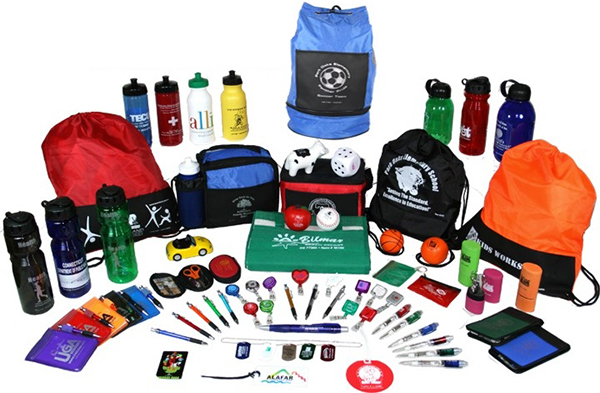
Pens, mugs, tote bags, these are the timeless staples that still hold a special place in marketing arsenals. Their appeal lies in their functionality and the nostalgic value they bring. A sturdy tote with a well-designed logo can circulate for years, quietly building brand recognition each time it’s spotted in the wild.
Emerging Trends and High-Tech Integrations in 2026
But the promotional industry has moved beyond basics. In 2026, high-tech features are becoming the new norm. Wireless charging pads, Bluetooth-enabled drinkware, and even smart notebooks that sync handwritten notes to the cloud are headlining product launches. Companies are now leveraging these innovations to stand out in crowded marketplaces and offer genuine utility to recipients.
Sustainability: From Disposable to Eco-Friendly Solutions
Gone are the days when “freebies” meant cheap, disposable plastics. Businesses are investing in eco-friendly alternatives, biodegradable pens, recycled fabric bags, and reusable cutlery sets. This shift is not just a marketing ploy; it’s a response to mounting consumer demand for brands that align with their environmental values.
Customization Techniques: Manual vs. Automated
Handcrafted Personalization and Its Emotional Impact
A personal touch is still powerful. Hand-embroidered names on apparel or bespoke packaging can create an emotional connection that mass-produced merchandise simply can’t match. Recipients often keep handcrafted items longer, associating them with meaningful brand experiences.
AI-Driven Customization Tools for Scalability and Efficiency
However, large-scale campaigns demand efficiency. AI-powered platforms now enable real-time design previews, instant logo placement adjustments, and dynamic color suggestions based on brand guidelines. This technology allows companies to offer mass customization without sacrificing speed or quality.
Balancing Quality and Speed in Production
The challenge is finding the sweet spot between artisanal flair and production efficiency. Faster processes can sometimes mean lower quality, but AI-driven quality control and new printing techniques are helping bridge that gap.
Material Advances: Conventional Materials Compared to New Alternatives
| Material Type | Traditional Example | 2026 Innovation | Environmental Impact |
|————————|———————-|——————————–|—————————|
| Plastics | Ballpoint pens | Bioplastics, compostable bags | Reduced landfill waste |
| Textiles | Cotton T-shirts | Recycled polyesters, bamboo | Lower carbon footprint |
| Drinkware | Aluminum bottles | Smart glass, silicone blends | Enhanced durability, recyclability |
These advances not only reduce environmental harm but elevate the perceived value of the products themselves, encouraging recipients to use them longer.
Digital Integration: Static Merchandise vs. Interactive Technology
QR Codes and NFC Tags for Enhanced Customer Engagement
A printed logo is good. A product that links to a custom landing page via a simple tap is better. QR codes and NFC tags embedded in promotional products are connecting the physical and digital worlds, offering personalized messages, exclusive offers, or product tutorials with a single interaction.
Wearables and Smart Products in Promotional Marketing
Fitness bands, smart hats, and even socks that track steps are making waves. These wearables not only provide utility but also collect data, helping brands learn more about their customers’ habits (when done responsibly).
Privacy and Data Security in Tech-Enabled Promotions
With increased connectivity comes heightened concern about privacy. Leading vendors are investing in secure, consent-based solutions to ensure recipients feel safe engaging with tech-enabled promotional items.
Distribution Strategies: Traditional Giveaways vs. Targeted Campaigns
Handing out swag at trade shows still works, but data-driven targeting is changing the game. Brands now analyze customer data to send personalized gifts that reflect individual interests, boosting ROI and deepening engagement.
Brand Impact: Emotional Connection vs. Functional Utility
Receiving a promotional gift creates feelings of gratitude, which often translate into customer loyalty. Emotional resonance is important, but so is utility. The best campaigns blend both, think a beautifully designed, functional notebook that recipients actually look forward to using.
Challenges and Opportunities in 2026’s Promotional Product Landscape
Supply chain disruptions, rising costs, and market saturation pose real challenges. Yet, these same pressures are fueling creativity and innovation. As companies seek new ways to connect, those who embrace technology, sustainability, and meaningful customization are poised to thrive.
Choosing the Right Promotional Product Strategy for 2026
In a world where consumers crave authenticity, aligning your brand’s values with your product choices is essential. Budget wisely, forecast for impact, and seek partners with deep industry experience. Experts suggest that exploring resources like Concept Plus promotional items can provide valuable guidance on trends and best practices as you navigate this rapidly evolving market.
The brands that make the biggest impact in 2026 will be those that see promotional products not as giveaways, but as powerful tools for connection, innovation, and sustainable growth.